Writing an MBA Dissertation: A Clear, Step-by-Step Guide
An MBA dissertation represents a key milestone in your graduate studies. It allows you to explore a business topic in depth and demonstrate advanced analytical skills. With 2026 trends such as AI integration, sustainable practices, and digital transformation shaping the field, this guide provides practical steps to complete your project effectively. We cover topic selection, structure, research, and final stages in a logical flow, helping you build confidence along the way. In fact, completing this work not only meets academic requirements but also sharpens your ability to tackle real-world business problems.
Select a Relevant Topic
Begin by identifying a topic that aligns with current business challenges and your interests. Focus on areas like supply chain resilience, ESG strategies, or fintech innovations—issues relevant to 2026. A strong topic addresses a specific gap in existing research and offers practical value. For instance, examine how blockchain improves transparency in global trade or the role of data analytics in customer retention.
Resources like https://99papers.com/self-education/top-100-mba-dissertation-topics-for-2026/ provide useful ideas you can draw inspiration from. Consult your advisor early to refine your choice. This ensures feasibility and alignment with program requirements. Plus, a well-chosen topic keeps you motivated throughout the process. Take time to review recent industry reports from sources like Deloitte or PwC for inspiration. Also, ensure your question is narrow enough to research deeply within your timeline—broad topics often lead to scattered efforts.
Plan Your Structure
Most MBA dissertations range from 10,000 to 20,000 words. Develop a proposal first, outlining the research question, objectives, and significance. A clear timeline, such as a Gantt chart, helps manage phases like literature review and data analysis. Submit this early to gain approval and feedback.
Also, follow a standard structure to maintain focus. The table below outlines key sections:
| Section | Purpose | Approximate Word Count |
| Introduction | State problem, aims, and scope | 1,000–1,500 |
| Literature Review | Summarize prior research, identify gaps | 2,000–3,000 |
| Methodology | Describe research approach | 1,500–2,000 |
| Findings | Present data and results | 2,000–3,000 |
| Discussion | Interpret results, link to theory | 2,000–3,000 |
| Conclusion | Summarize insights, recommend actions | 1,000–1,500 |
| References/Appendices | List sources, add extra data | Varies |
Adapt this to your institution’s guidelines for best results. It provides a reliable roadmap from start to finish. Include an abstract too—a 250-word summary for quick reader orientation.
Conduct Thorough Research
Gather credible sources from journals, databases like Google Scholar, and industry reports. Aim for 50 or more references, balancing recent studies with foundational works. Choose a methodology suited to your topic—quantitative surveys for market trends or qualitative interviews for leadership studies. Mixed methods often yield richer insights.
Tools like Zotero or EndNote streamline citation management. Document your process clearly to ensure reproducibility. This step builds a solid foundation for your analysis. In addition, note ethical considerations, such as data privacy, early on. Obtain necessary approvals for primary research, like surveys, to avoid setbacks. Review peer-reviewed journals such as the Journal of Business Research for robust examples.
Draft and Refine Content
Start writing with the literature review, as it draws directly from your reading. Move to methodology and findings next, then craft the introduction and conclusion. Vary sentence lengths for readability: short ones for emphasis, longer for explanation. Use active voice where possible to keep the tone direct.
Support claims with evidence. For instance: “Digital adoption grew 25% in 2025, per McKinsey reports, highlighting the need for adaptive strategies.” Write consistently, targeting 500–1,000 words daily. This approach helps you avoid overload and keeps your progress steady. Outline each chapter first to spot logical gaps. Integrate visuals like graphs early—they clarify complex data.
Edit, Review, and Defend
Revise multiple times: first for content, then clarity and grammar. Use tools like Grammarly for initial checks, followed by peer or advisor feedback. Incorporate visuals such as charts to illustrate data effectively. Check for plagiarism with software like Turnitin.
Prepare for the defense by rehearsing a concise presentation of your question, methods, and implications. Practice builds confidence. Final proofreading ensures a polished submission. Allow time for unexpected revisions, too. Record your practice sessions to refine delivery and timing.
Practical Tips for Success
- Set weekly milestones to stay on track.
- Use primary data for originality where possible.
- Cite sources meticulously, following APA or Harvard style.
- Back up files regularly to avoid data loss.
- Schedule short breaks to maintain focus and avoid burnout.
- Join study groups for motivation and fresh perspectives.
- Read sample dissertations from your university library.
These steps make the process manageable and rewarding. Track your progress in a journal to celebrate milestones.
FAQ: Common Questions Answered
How long does an MBA dissertation take?
Typically 3–6 months with consistent effort.
What research methods work best?
Surveys or secondary data for broad topics; interviews for in-depth views.
Can I change my topic midway?
Yes, but consult your advisor early to minimize delays.
What tools help with writing?
Zotero for references, Excel for data, Grammarly for edits.
How important are citations?
Essential—use them to validate every key claim.
This guide equips you to produce a high-quality MBA dissertation. Follow these steps, stay organized, and leverage available resources for success. Your hard work will pay off in skills and opportunities ahead.

Related Posts
Writing Philosophy Assignments: Clear Tips for Strong Arguments
Writing Assignments: Essential Tips for Academic Success
Writing History Essays: Practical Tips for Strong Results
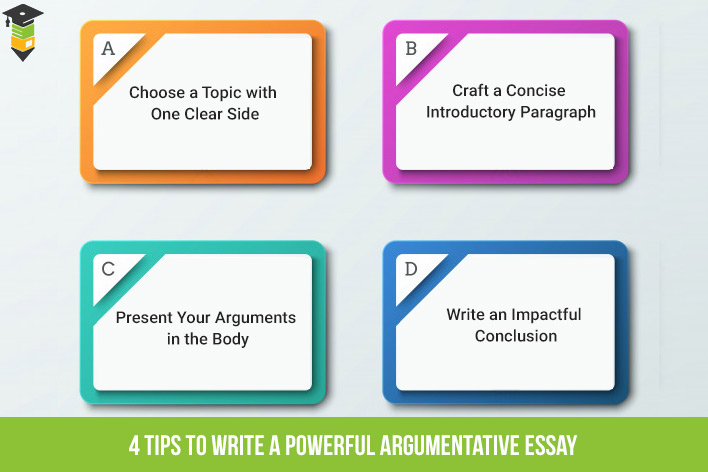
How to Write a Good Argumentative Essay

How to Write a High School Essay
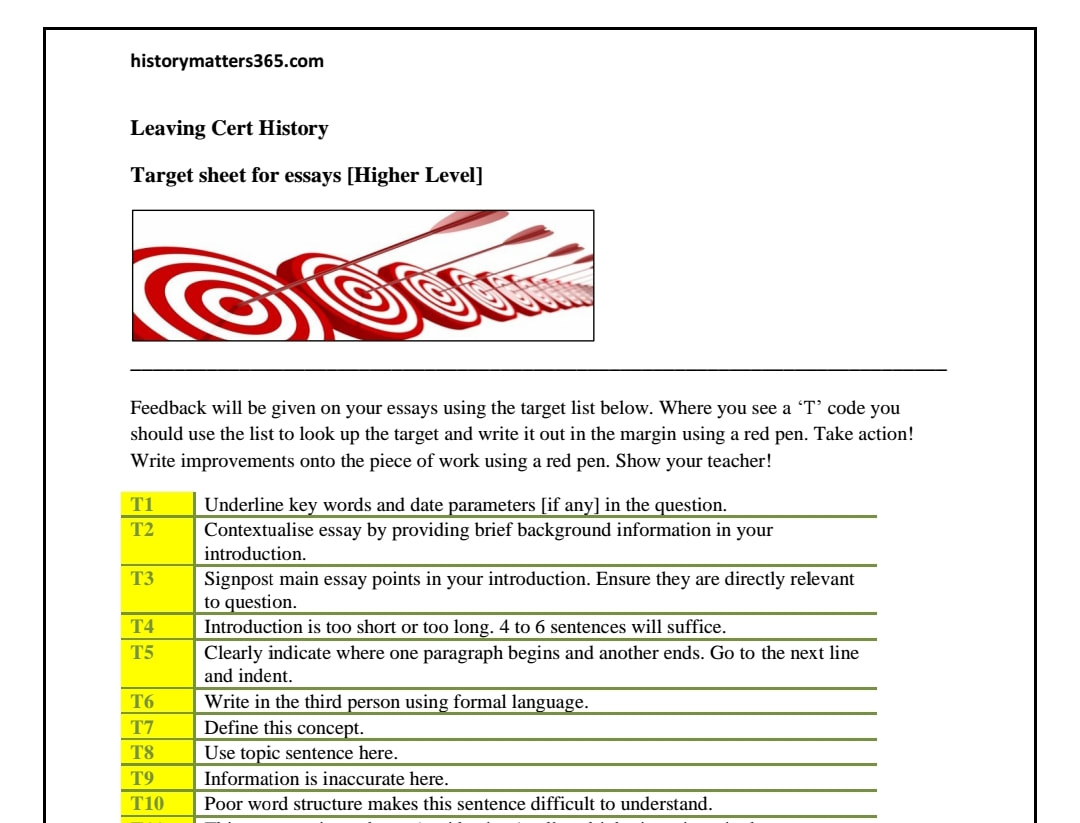
How to Write a History Essay
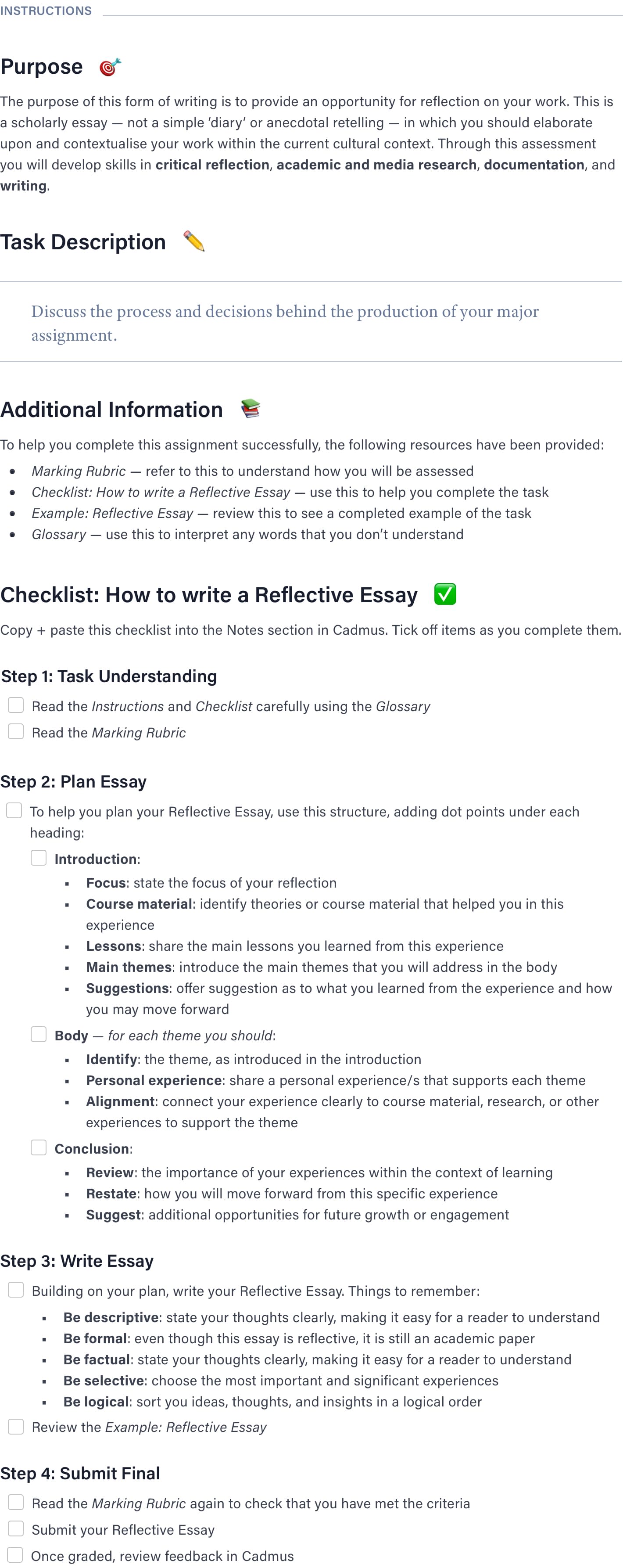
How to Write a Reflective Essay
How to Write a Song Title in an Essay
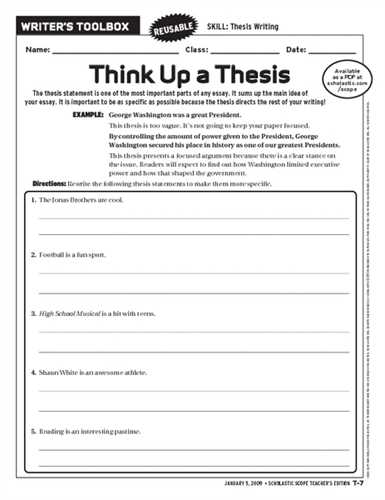
How to Write a Thesis Essay