Writing History Essays: Practical Tips for Strong Results
History essays test your ability to analyze events, not just list facts. They require clear arguments supported by evidence, making them a core part of many courses.
This guide offers step-by-step tips to structure your work effectively. With practice, these steps help you craft essays that stand out and earn top grades.
Understand the Question First
Start by reading the prompt carefully—twice if needed. Note key terms like “analyze,” “compare,” “evaluate,” or “to what extent.” Each demands a different focus. For example, “describe” means outline key events in sequence, while “assess” requires you to judge their importance and back it with reasons.
Also, rephrase the question in your own words to confirm understanding. Ask: What is the main issue? What evidence will prove my point? This avoids off-topic responses that lose points. A strong essay always answers what is asked directly, staying laser-focused from start to finish. If the prompt has parts, like “discuss causes and effects,” tackle both evenly.
Choose and Research Your Angle
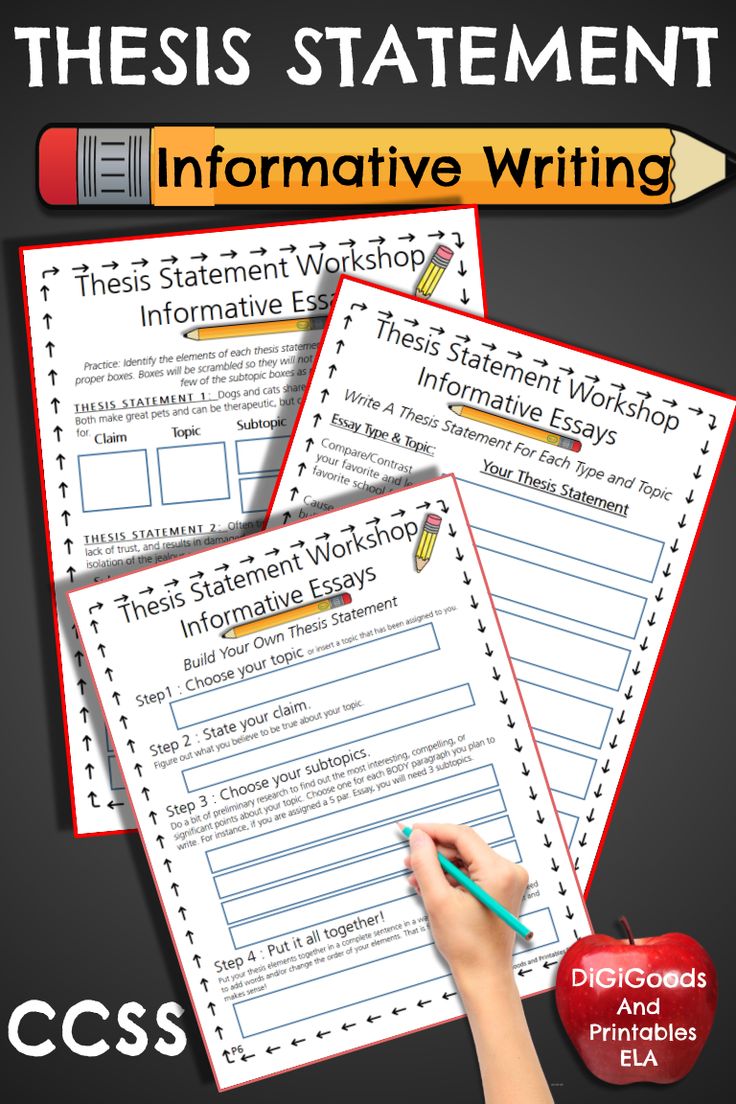
Pick a clear thesis—a one-sentence argument that guides your entire essay.
Weak: “World War I had many causes.”
Strong: “Economic tensions, more than nationalism, drove Europe into World War I.”
This establishes your position and provides direction.
Gather evidence from primary sources like letters, speeches, or diaries, and secondary ones like books, journals, and articles. Aim for balance: recent studies plus classics. Take notes on how each piece supports your thesis—jot down source, quote, and your analysis. Tools like Google Scholar, JSTOR, or your library database speed this up. Limit research to 20–30 quality sources to avoid overload.
Pro tip: Create a source evaluation checklist. Is it peer-reviewed? From a reputable historian? Bias-free? This ensures credibility.
Build a Clear Structure
Most history essays follow this format: introduction, body paragraphs, and conclusion. Keep it tight—500–2,000 words depending on requirements. Plan an outline first: it saves time and keeps logic tight.
Here’s a quick overview table:
| Section | Purpose | Key Tips | Word Count % |
| Introduction | Hook, context, thesis statement | End with your main argument | 10–15% |
| Body Paragraphs | Evidence + analysis per point | PEEL: Point, Evidence, Explain, Link | 75–80% |
| Conclusion | Restate thesis, summarize impact | No new info; end with significance | 10% |
Each body paragraph needs a topic sentence, evidence, explanation, and a link back to the thesis. Aim for 3–5 paragraphs, one idea each. Use the PEEL method: make a Point, add Evidence, Explain its meaning, and Link to the question.
Write with Evidence and Analysis
Open with context: when, where, and why the topic matters. A quick fact or statistic hooks readers. State your thesis at the end of the intro for impact.
In body paragraphs, analyze—don’t describe. Example: “The 1929 stock crash, as shown in Federal Reserve data, triggered bank runs that deepened the Great Depression. This proves economic policy flaws outweighed speculation, as recovery only began with New Deal reforms.” Vary sentences: short for impact (“It failed.”), longer for detail (“Historians like Friedman argue…”).
Address counterarguments: “While some claim tariffs protected jobs, evidence shows they worsened global trade by 15%, per League of Nations reports.” Use transitions such as “furthermore,” “however,” or “in contrast” to smooth the flow. Quote sparingly—explain every one. Dates add precision but focus on causes, effects, and change over time.
Edit for Precision and Polish
Revise twice: first for argument strength (does evidence prove thesis?), then grammar, style, and flow. Cut repetition; ensure every sentence adds value. Check citations—Chicago (notes-bibliography) or MLA is most common for history work. Tools like Zotero manage references easily.
Read aloud to catch awkward phrasing. Get feedback from peers or tutors: “Does my analysis convince you?” Final proofread fixes small errors that distract professors. Aim for active voice: “Policies caused decline” over “Decline was caused by policies.”
Practical Steps Students Use
- Outline before drafting—10 minutes saves hours.
- Limit quotes to 10–20% of text; paraphrase more.
- Use dates sparingly—focus on causes, effects, continuity/change.
- Back claims with specific examples from varied sources.
- Time yourself: 1 hour planning, 2 hours writing, 30 minutes editing.
- Practice with past papers to match examiner expectations.
- Build vocabulary: words like “contention,” “substantiate,” and “corroborate.”
Also, review model essays from your course handbook. They show top-band phrasing and balance.
For more support, explore the history essay writing service by 99papers.
FAQ: Quick Answers
How long should paragraphs be?
4–6 sentences; one main idea each for clarity.
Primary vs. secondary sources?
Primary for direct evidence (e.g., speeches); secondary for historian views.
Can I use “I” in history essays?
Avoid it—keep formal and objective for academic tone.
What’s a common mistake?
Listing events without explaining their significance or link to the question.
How to start strong?
Use a relevant fact, quote, or statistic tied to your thesis.
Narrative or analysis?
Analysis wins points—show why events matter, don’t just retell.
These tips help you write essays that inform, persuade, and score well. Apply them consistently for better grades and deeper historical understanding. Start with one essay, refine, repeat—you’ll see quick improvement.

Related Posts
Writing Philosophy Assignments: Clear Tips for Strong Arguments
Writing Assignments: Essential Tips for Academic Success
Writing an MBA Dissertation: A Clear, Step-by-Step Guide
How to Write a Good Argumentative Essay
How to Write a High School Essay
How to Write a History Essay
How to Write a Reflective Essay
How to Write a Song Title in an Essay
How to Write a Thesis Essay