Writing Philosophy Assignments: Clear Tips for Strong Arguments
Philosophy assignments challenge you to think deeply, analyze ideas, and build logical cases. Unlike other subjects, they prioritize reasoning over facts or narratives. This guide provides original, practical tips to structure your work effectively and avoid common pitfalls. Mastering these steps turns abstract concepts into compelling, high-scoring papers.
Understand the Prompt Deeply
Begin by breaking down the question word by word. Philosophy tasks often use verbs like “critically evaluate,” “defend,” “reconstruct,” or “compare”—each signals a unique demand.
Key steps to master this:
- Read slowly—twice or three times. Underline key philosophers (e.g., Plato, Nietzsche), core terms (“utilitarianism,” “a priori”), and directives.
- Rephrase actively: Turn “Does free will exist under determinism?” into “Defend or refute human agency despite causal chains.”
- Identify scope and limits: Does it focus on one text, era, or debate? Narrow to fit the word count.
- Clarify terms upfront: Define “justice” via Rawls’ veil of ignorance before arguing its flaws.
- Spot implied tasks: “Discuss implications” means to analyze real-world applications.
This foundation prevents vague, off-target essays that score low on relevance. If stuck, journal your initial thoughts for 5 minutes to uncover angles.
Craft a Precise Thesis
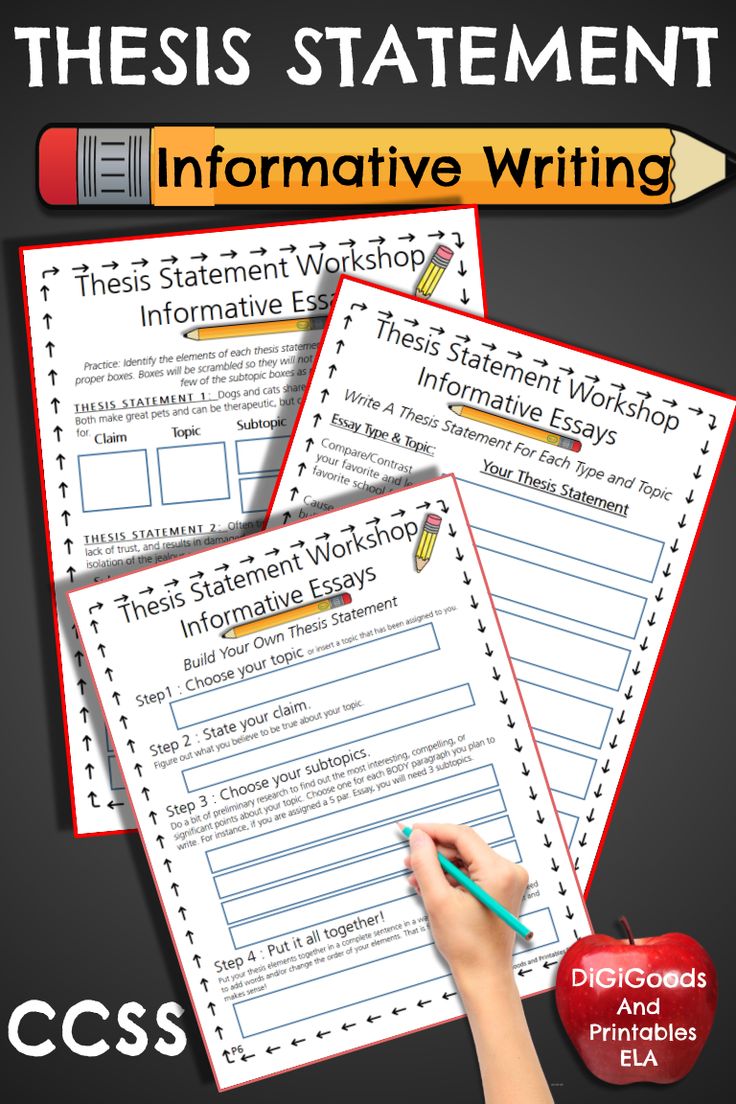
Your thesis forms the backbone—one clear, arguable claim that previews your path. Avoid mere summaries; stake a defensible position.
Weak vs. strong examples:
- Weak: “Aristotle explores virtue ethics in Nicomachean Ethics.”
- Strong: “Aristotle’s golden mean oversimplifies moral dilemmas, as extreme situations demand absolute rules, per Kant.”
Tips for a winning thesis:
- Make it specific—anchor to the primary text or argument.
- Preview structure: “I reconstruct Mill’s harm principle, critique it via cultural relativism, then defend a revised version.”
- Test rigor: Can opponents challenge it? Does it invite rebuttals you’ll address?
- Evolve it: Draft loosely, refine after outlining.
Place it at your intro’s end. A precise thesis unifies the paper and impresses professors.
Research and Engage Sources
Dive into primary texts first—read slowly, line by line. Secondary sources clarify but never replace originals.
Comprehensive research habits:
- Annotate deeply: Highlight premises, conclusions, and gaps; note your questions.
- Distinguish concepts: Separate “opinion” from “epistemically justified belief.”
- Balance perspectives: Quote opponents (e.g., Hume vs. Descartes) fairly, then dismantle.
- Limit wisely: 5–10 quality sources (Stanford Encyclopedia, journal articles) over superficial scans.
- Logical toolkit: Identify fallacies (straw man, slippery slope); map syllogisms (All A are B; C is A; thus C is B).
Advanced move: Create argument diagrams—boxes for premises, arrows for inferences. This visualizes flaws quickly.
Quick source evaluation list:
- Peer-reviewed? Recent? From experts like Stanford or Cambridge presses?
- Biased? Cross-check with opposing views.
- Relevant? Ties directly to your thesis?
Outline for Logical Flow
A tight outline ensures progression, not meandering. Philosophy demands step-by-step reasoning.
| Section | Purpose | Key Elements | Word Count Guide |
| Introduction | Hook, definitions, thesis | Roadmap sentence | 150–250 |
| Body (3–5 paras) | Arguments, objections, replies | TEA: Thesis, Evidence, Analysis | 70–80% total |
| Conclusion | Restate thesis, broader implications | Forward-looking note | 100–200 |
Body paragraph blueprint (TEA model):
- Topic sentence: State mini-thesis.
- Evidence: Quote/paraphrase (e.g., “Nietzsche: ‘God is dead'”).
- Analysis: “This challenges theism by…”
- Link: “Thus, supporting my claim on X.”
Use signposts: “Objection one: … Reply: …” for transparency.
Write Clearly and Critically
Clarity reveals genius—eschew jargon unless defined. Simple prose proves you grasp complexities.
Core writing practices:
- Plain English rule: “Choices imply agency” beats convoluted terms.
- Critique actively: “This premise begs the question by assuming Y.”
- Innovate: Apply classics modernly—e.g., Sartre’s bad faith to social media.
- Sentence variety: Punchy (“It fails.”). Expansive (“While valid in theory, practice reveals…”).
- Double objections: Predict two counters, refute both.
Full example paragraph: “Locke’s tabula rasa posits innate ideas as false, shaped by experience alone. Yet, Chomsky’s universal grammar suggests innate structures. This innate-knowledge objection undermines Locke, as language acquisition defies blank-slate empiricism. Thus, hybrid views better explain cognition.”
Paragraph checklist:
- One main idea.
- Every sentence advances logic.
- No unsupported assertions.
Edit for Precision and Impact
Philosophy grading hinges on rigor—edit like a logician.
Multi-stage checklist:
- Logic audit: Do premises entail conclusion? Fill gaps.
- Clarity pass: Define all terms; eliminate ambiguity.
- Objection stress-test: Does it withstand alternatives?
- Concision: Cut 10–20% fluff; repeat sparingly.
- Grammar/style: Active voice; no contractions.
- Aloud read: Flow smooth?
- 24-hour break: Fresh eyes catch misses.
- External input: “Peer review: Convincing?”
Tools: Print drafts; use highlighters for weak spots.
For extra support, explore OZessay help with philosophy assignments.
Student-Tested Strategies
Elevate your game:
- Daily freewrites: 10 minutes on prompts to build fluency.
- Argument autopsies: Dissect sample essays for structure.
- Timed blocks: 45 minutes per section.
- Glossary habit: Track terms (ontology, deontology) with examples.
- Debate practice: Argue both sides aloud.
- Top paper emulation: Analyze A-grade models from courses.
Time management: Week 1 outline/research; Week 2 draft; Week 3 revise.
FAQ: Quick Answers
1. How bold should my thesis be?
A strong thesis takes a clear position rather than hedging with “maybe.” Philosophy rewards commitment—back it with tight reasoning and address counters in the body. For example, instead of “Free will might exist,” argue “Free will persists compatibly with determinism via agent causation.”
2. How much should I quote from sources?
Keep quotes to no more than 20% of your text; prioritize your analysis. Long block quotes rarely impress—paraphrase and explain their logic instead. Always follow with: “This premise fails because…” to show engagement.
3. Can I include my personal opinions?
Yes, but ground them in argument, not feelings. Professors want your reasoned view defended by evidence from texts. Phrase as: “Given X’s assumptions, I contend Y holds because…”
4. What’s the ideal length for each main point?
Aim for 200–400 words per body paragraph. This allows full development: mini-thesis, evidence, analysis, and link.
5. What’s the most common student pitfall?
Over-describing texts without critique. Don’t summarize Plotinus—tear apart his premises, offer counters, rebuild stronger. Analysis, not exegesis, earns top grades.
6. How do I start with impact?
Open with a paradox, question, or bold claim tied to the prompt. Example: “If knowledge is justified true belief (Plato), why do Gettier cases shatter it?” This hooks while previewing your path.
These original tips equip you for philosophy excellence. Emphasize logic, clarity, and bold reasoning—your papers will persuade and excel. Consistent practice yields mastery.

Related Posts
Writing Assignments: Essential Tips for Academic Success
Writing History Essays: Practical Tips for Strong Results
Writing an MBA Dissertation: A Clear, Step-by-Step Guide
How to Write a Good Argumentative Essay
How to Write a High School Essay
How to Write a History Essay
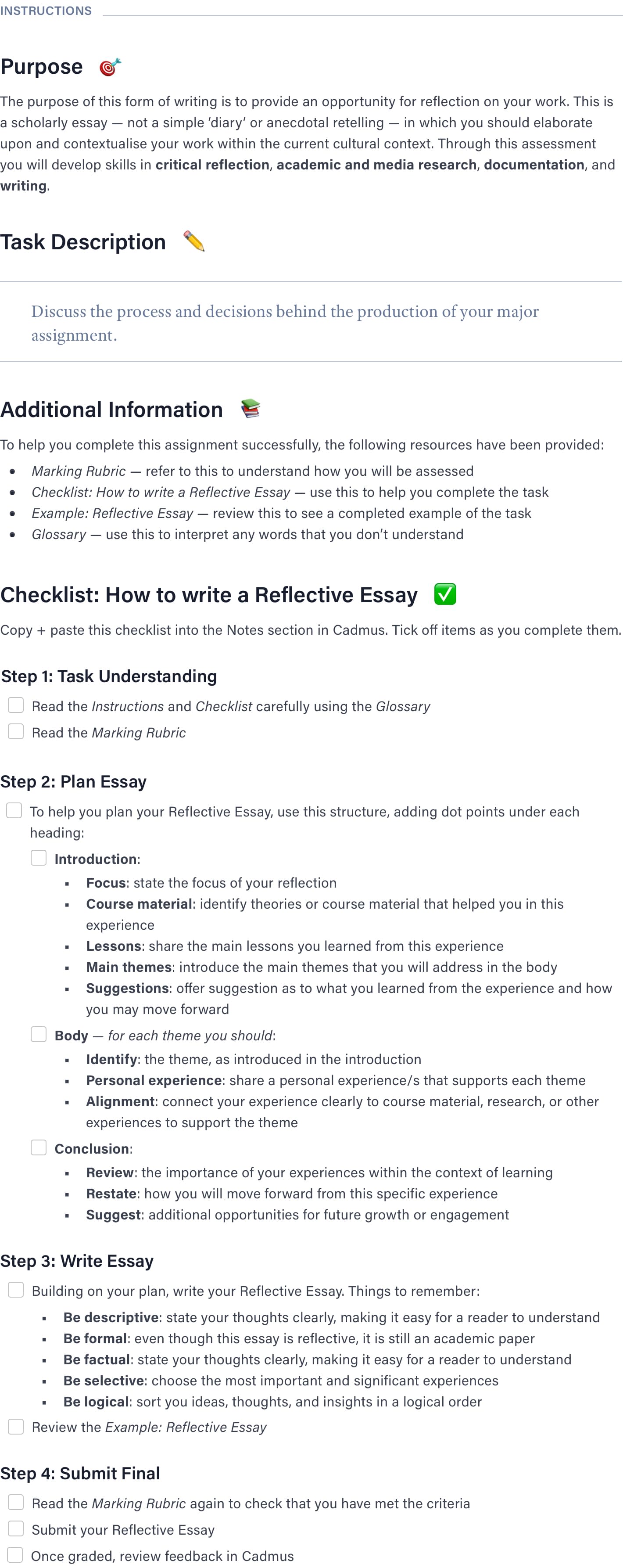
How to Write a Reflective Essay
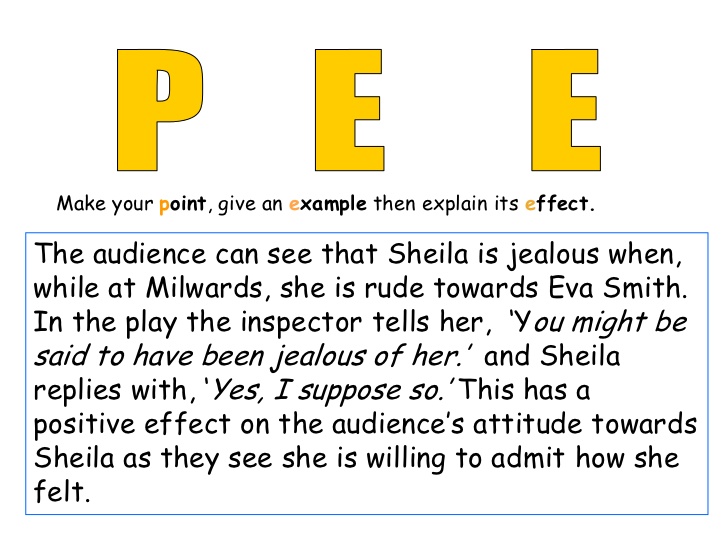
How to Write a Song Title in an Essay
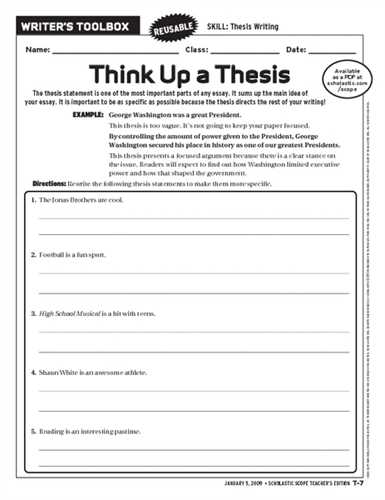
How to Write a Thesis Essay